What’s the perfect age to downsize?
If you’ve ever wondered when the right time is to move into a smaller, easier to manage home, you’re not alone.
While there isn’t a single ‘perfect age’ to move, retirement is often a turning point. In the UK, the typical retirement age is in the early 60s. At this stage, most people are still fit enough to handle the process, yet old enough to benefit financially and emotionally from a smaller property.
Why do people choose to downsize?
Homeowners downsize for a mix of practical, financial and emotional reasons. Here are the most common:
Struggling with upkeep
Over half of people over 60 admit they find it challenging to maintain their homes, and one in three struggle with gardening tasks. A large property can quickly feel overwhelming, but downsizing reduces that burden and frees up time and energy.
Releasing Equity
For many, the family home is their most significant financial asset. Downsizing allows you to unlock the cash tied up in your property, giving you greater financial flexibility in retirement. Quick Sell Your House helps homeowners release equity quickly, often within 7 days, avoiding the uncertainty of the open market.
Lower Running Costs
A smaller home usually means lower council tax, cheaper utility bills, and reduced insurance premiums. That extra money can be redirected towards holidays, hobbies or simply enjoying life rather than paying to maintain a property you no longer need.
Lifestyle freedom
Having less space often means having fewer responsibilities. Downsizers frequently use this new freedom to travel more, spend quality time with family, or enjoy a more relaxed lifestyle without constant property-related stress.
Health and accessibility
Mobility issues can arise as we age, and a home with steep stairs or a large garden may not be practical in the long term. Downsizing allows you to plan by moving into a property that is easier to navigate and more comfortable for future needs.
Is there a perfect age to downsize?
Although the right time depends on individual circumstances, many people find that their mid-60s provide the best opportunity to downsize. This is because people in their mid-60s are usually approaching or entering retirement. They are still in good health to manage the moving process, but they are also beginning to consider living on a fixed income, which makes financial planning all the more crucial.
Downsizing at this stage also allows homeowners to release equity and have the time and energy to enjoy the benefits, whether that means funding holidays, pursuing hobbies or supporting family members.
Moving earlier, in your 50s, may feel too soon if you are still working, while waiting until your 70s or 80s can make the process physically and emotionally more challenging.
Signs it’s the right time for you to downsize
Every homeowner’s journey is different, but there are common signs that suggest downsizing could be the right choice. If you are struggling to keep up with household chores and maintenance, then a smaller property could help ease the pressure. If you have unused rooms that still require heating, cleaning, and insuring, then you may be wasting money on space you don’t need.
If your household bills are beginning to feel too high for your income, downsizing could provide welcome financial relief.
Approaching retirement is also a key moment, as many people want more financial freedom before they begin living on a fixed income. If your home feels lonely after your children have moved out or following bereavement, then a smaller property may offer a fresh start.
Finally, if you want more flexibility to travel, visit family or live with fewer responsibilities, downsizing could make that lifestyle possible.
If these situations sound familiar, it may be worth exploring your options with Quick Sell Your House, we can help simplify the process.
The financial side of downsizing
Money is one of the biggest motivators for downsizing, but it is important to understand both the costs and the savings before making the move.
Cost of moving
The cost of moving may include estate agent fees, unless you choose to sell directly to Quick Sell Your House, which avoids this expense. You will also need to budget for legal conveyancing fees, removals and moving services, and potentially stamp duty, depending on the price of your new property.
Savings from downsizing
The savings can be significant. Downsizing usually results in lower utility bills, reduced council tax, and cheaper insurance premiums. With a smaller property, you also spend less money on ongoing maintenance and repairs.
Releasing equity
One of the biggest financial advantages of downsizing is the ability to release equity. Selling a larger property and buying something smaller often leaves you with a significant lump sum. This money can boost your retirement income, fund travel and hobbies, help your children onto the property ladder, or provide long-term financial security.
If you need access to funds quickly, Quick Sell Your House offers a fast, chain free sale in as little as 7 days, which removes much of the stress and uncertainty that comes with selling on the open market.
Emotional and lifestyle benefits of downsizing
Downsizing is not just a financial decision; it can also have emotional and lifestyle benefits.
Letting go of a family home filled with memories can be difficult, but it can also provide closure and a sense of renewal. Many homeowners find that downsizing marks the beginning of a new chapter in life. With fewer financial and property related responsibilities, many report improved mental health and greater peace of mind.
Downsizing can also bring people closer to loved ones, either by moving nearer to family or by joining a community with more opportunities for social interaction. The result is often a better quality of life, with more time, money and energy to enjoy the things that matter most.
Choosing a route to sell: A quick, chain-free buyer
A quick sale through Quick Sell Your House follows a clear set of steps.
You begin by providing basic details about your property and your preferred timescale. We will then conduct an assessment of your property and provide your with a no-obligation offer. If you accept, you can select a completion date that suits your move, which makes it easier to align removals, storage, and then the purchase of your new home.
At Quick Sell Your House, our process is not dependent on a mortgage approval or on another sale, which significantly reduces the risk of last minute delays.
Our sellers appreciate the reduced stress. You avoid repeated tidy-ups for viewings, you do not have to negotiate with multiple parties, and you benefit from a clear, reliable timeline. If you are downsizing to release equity or quickly lower your monthly costs, that predictability is invaluable.
Downsizing in practice: Real life scenarios
To put the theory into perspective, here are a few examples of how downsizing works in practice:
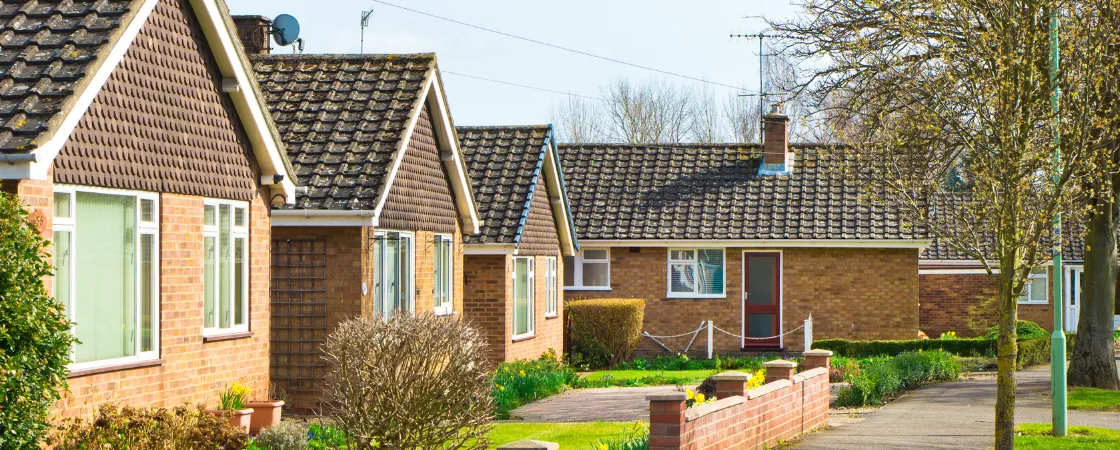
- Couples approaching retirement often find their family homes are too large once their children have moved out. Downsizing to a two-bedroom bungalow frees up cash and reduces bills.
- Widowed homeowners sometimes find that maintaining a large property alone is too much. Downsizing to a smaller flat provides security, accessibility and a supportive community.
- Early downsizers in their late 50s may decide to move while still working, so they can enjoy travel and hobbies without the stress of maintaining a large property.
These scenarios highlight how downsizing can suit different people at different stages, depending on personal priorities.
Downsizing and the property market
The wider property market can influence the decision to downsize. Larger family homes are often in demand, which means selling such properties can achieve a strong price. At the same time, smaller properties may offer good value, depending on the region.
By choosing to sell your house fast with Quick Sell Your House, you ensure certainty regardless of market conditions. Unlike traditional sales, where chains can collapse or buyers can pull out, if our no-obligation offer is accepted, we guarantee a purchase, offering peace of mind.
Preparing to downsize
If you are thinking about downsizing, preparation is key. Start by decluttering your home, as this will make moving easier. Think carefully about the type of property you want next, whether that is a bungalow, flat or retirement development. Consider location too, as moving closer to family or amenities can significantly improve quality of life.
Is it also important to seek financial advice to ensure downsizing aligns with your long-term plans.
Final Thoughts: Is Now the Right Time?
There is no universal answer to the question of when to downsize. For many, the 60s represent the most practical time, balancing health, financial readiness, and lifestyle goals.
However, the right time ultimately depends on your unique circumstances.
If you are ready to enjoy more freedom, reduce financial pressure, and live with fewer responsibilities, downsizing could be one of the best decisions you’ll ever make. And if speed and uncertainty are a priority, Quick Sell Your House provides a fast, reliable solution to help you move forward with confidence.