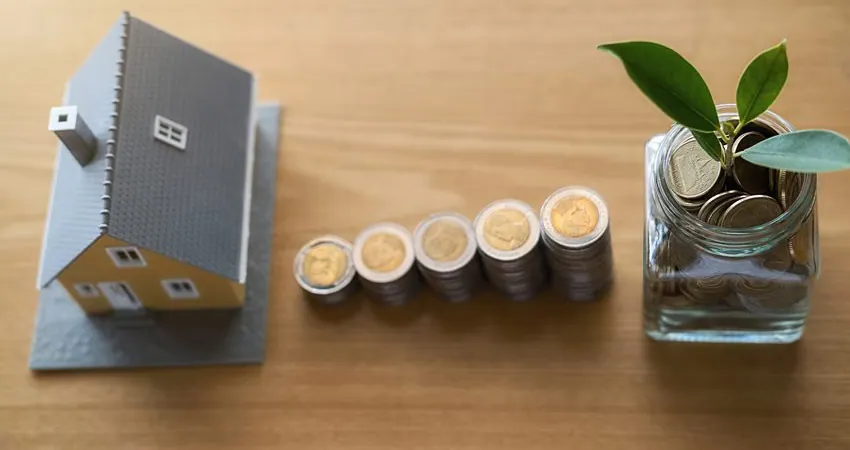
How can I break the spending habit?
Plan your spending
Understand what makes you spend
Only take out money you need
Think it through before buying
Setting saving goals
Get financial advice.
We’re all guilty of overspending here and there, whether it be because we’ve seen a bargain, or simply deserve a treat. This can be difficult, especially if you’re trying to save up, so Quick Sell Your House have looked into some helpful tips to save you money!
Get a cash offer for your house today!

We all have our reasons for making an unnecessary purchase; you’ve likely used one of these as a justification for something that wasn’t really needed previously;
- “But I’ve been working hard, so I deserve it.”
- “But I need a new outfit for that party/wedding/birthday.”
- “But I’ll play better if I have the same boots as Messi.”
- ” I’ve saved so much this month – I can have one treat!”
So what’s the best way to break bad spending habits, knock the excuses on the head and get a handle on your finances?
1. Planning your spending
Whether you’re guilty of buying the occasional pricey impulsive purchase, or you end up going way over budget on meals out each month, putting together a spending planner is a good way to ensure that you don’t overspend. This allows you to see your income and your necessary outgoings to be able to be more sensible with your finances while ensuring that you’re budgeting properly for your needs. To do this, you will need to –
-
Identify your income:
include money earned from wages, benefits, and any other support you may have.
-
List your expenses:
monthly outgoings such as your mortgage or rent, utility bills, council tax, phone bills, food, travel costs, or childcare.
-
Compare your income and expenses:
Look at the essentials that you need to spend each month, and what you’ve got left over. This will be called your disposable income, and is where you’ll be able to start looking at saving money.
-
Set priorities and make changes:
You can list what you need to cut back on to save money by not buying non-essential items, like cigarettes, alcohol, or clothes.
MoneySavingExpert.com offers useful advice about how to manage your finances and set up a spending planner on its Budget Planner web page, giving you the tools you need to start saving right away.
2. Understand what makes you spend
Knowing what causes you to splash out and when you do it most can help you reduce your spending. If you can identify when you spend, you can look at ways to manage that time and reduce the amount you spend, or how frequently you spend it.
When you’re about to buy something, it’s a good idea to first ask yourself, do I really need this, or do I just want it? Consider keeping a record of your spending triggers, so you become more aware of when you spend. A good way to control your spending is to set yourself a budget and stick to it. Once you’ve spent that budget for the month, you can’t spend any more – this will help encourage you to ask if you really want to spend it, or if you could spend the money more wisely elsewhere.
3. Only take out the money you need
When you go out, try leaving your credit or bank cards at home. Set yourself a budget and just take the money you need. If you’re shopping for holiday clothes and don’t want to spend more than £200, just take that amount with you rather than outlining the budget and not sticking to it This sets a limit and helps you to work with the cash you have to hand, helping you spend more wisely.
4. Before committing to a purchase
You’re in your local supermarket, you’ve filled your trolley and you’re ready to head to the tills. Before you go to the checkout it’s a good idea to go through each item you’re about to buy. Consider asking yourself do I really this or do I just want it? Perhaps you’ve made a few impulse purchases during your shop – the two-for-one milk offer won’t be a saving because you’ll just end up throwing one carton away. If so, put those unnecessary items back. This can help you save and keep you within budget.
5. Setting savings goals
Planning your spending can also help you save up for that something special – a new car, or to pay for a family holiday, perhaps. Maybe you’re saving up for a dream holiday to the US. When putting together your spending planner, consider including a set amount of money that you can put towards it each month. It’s also worth opening up a savings account, such as an ISA, which you can use to hold your savings. Keep a photo of your US destination somewhere like your office or on the bedside table at home. It will continuously remind you of the holiday and help work as an incentive to keep saving for it. The feeling you’ll have when you have saved enough money to achieve your goal can be priceless.
6. Getting financial advice
Setting up a planner, being strict with your money and purchases and giving yourself goals can help you stay within your spending limits and keep on top of your finances. More importantly, it can help stop you going into debt. If you’re concerned about your finances and worried about debt, there are people that can help. To find out more read our blog post, If you’re a homebuyer struggling with debt, these organisations will help.